
Skip to content

I found a car on Autotrader. How do I get finance for it?

How to finance a car you've found on a listings site, step by step, and what to check before you pay anything.

Calculate payments
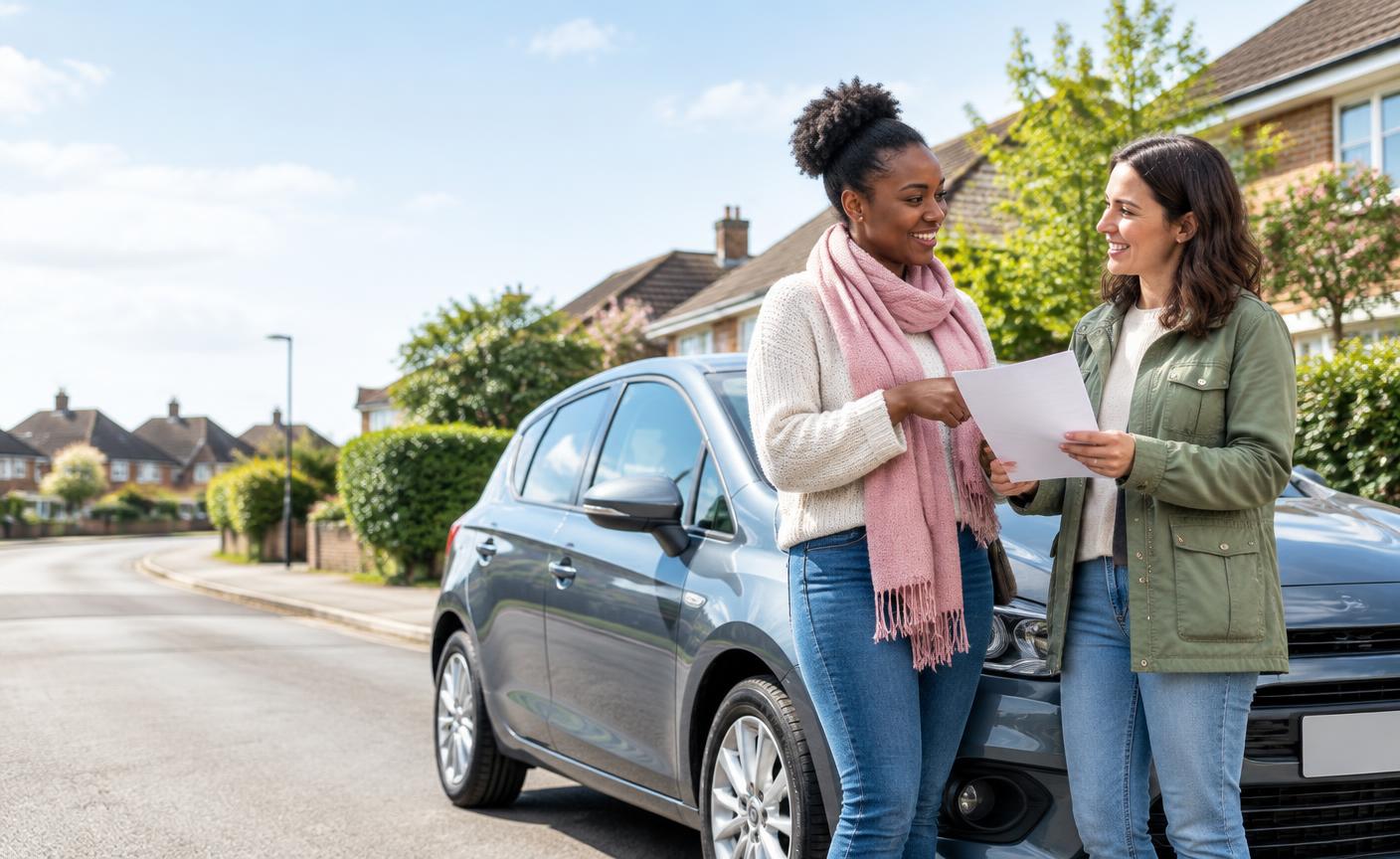
Illustrative CarFinanceMatch scene comparing several car choices
Written by Hasib KarimzadahReviewed by Nabhan IslamLast reviewed 20 October 2026

Autotrader and similar sites list cars from dealers and private sellers; they're not usually the lender. If the car is sold by a dealer, you can use the dealer's finance or arrange finance elsewhere. If it's a private sale, fewer lenders can help. Either way, send us the listing details with your enquiry and we'll explain the options. Never pay a deposit to someone you haven't verified, and the lender makes any decision. We aren't connected to Autotrader.

Worth exploring if

  • Anyone who's found a car on a listings site
  • Buyers comparing dealer finance with other options
  • People who want finance sorted before they visit

What may suit you

  • You can compare more than the dealer's own finance
  • Sharing the listing helps the lender check the car
  • You keep control of which car you choose

Things to consider

  • Not every lender finances every dealer or private seller
  • The car can sell while you're deciding
  • Approval is never guaranteed

You'd borrow

£15,000

Monthly payment

£318

Illustrative

Illustrative rate scenario

How much would you like to borrow?
Over how long?

Illustrative only — not a quote. Ask which checks apply before you proceed.

How finance for a car you found on autotrader works

01

Save the listing

Note the price, mileage, registration and who's selling it.

02

Check the car

Run a history check and ask about service records and outstanding finance.

03

Send a no-obligation enquiry

Add the car's details. The lender checks the car and makes any decision.

How term and deposit change the cost of Finance for a car you found on Autotrader

Longer term, lower monthly, higher total
  • 24 months£623/month · £16,451 total
  • 36 months£436/month · £17,182 total
  • 48 months£342/month · £17,935 total
  • 60 months£287/month · £18,710 total

Illustrative arithmetic for a £15,000 example car using an assumed 10% APR chosen only to show the maths. It is not a rate we can offer and not a quote; your figures depend on the lender, the car and your circumstances. Assumes a £1,500 deposit.

A deposit lowers both figures
  • No deposit£380/month · £18,261 total
  • £1,500 deposit£342/month · £17,935 total
  • £3,000 deposit£304/month · £17,609 total

Illustrative arithmetic for a £15,000 example car using an assumed 10% APR chosen only to show the maths. It is not a rate we can offer and not a quote; your figures depend on the lender, the car and your circumstances. Assumes a 48-month term.

  1. 01

    Compare the route

    HP, PCP or leasing, judged on the total amount payable.

  2. 02

    Check the car

    MOT history, tax and vehicle details on GOV.UK.

  3. 03

    Lender checks

    Identity, credit file and affordability. The lender decides.

  4. 04

    Read, then sign

    You normally have 14 days to withdraw from a regulated agreement.

In short

You can arrange finance for a car found on Autotrader through the selling dealer or a separate finance provider, subject to checks on you, the car and the seller. Private sales can be harder to finance. CarFinanceMatch is an independent credit broker, not a lender, and is not connected to Autotrader.

Listing versus lending
An advert is not a finance offer or confirmation that the seller is suitable.
Dealer or private seller
Check who is selling before discussing finance; available routes differ.
Vehicle checks
The lender may assess age, mileage, history, value and seller eligibility.
Deposits
Verify the seller and obtain written refund terms before paying.
Final decision
The lender decides whether to offer finance and on what terms.

01

How do I get finance for a car I found on Autotrader?

Start by saving the advert and checking whether the seller is a motor trader or a private individual. For a dealer car, you can ask about the dealer’s finance and explore arranging finance separately. Do not assume a listing-site payment estimate is a personalised offer or that every finance provider can fund that particular vehicle.

Send the listing link, registration, price, mileage and seller details with your enquiry. CarFinanceMatch can explain the next steps as a credit broker, not a lender. We are not connected to Autotrader. Checks on your circumstances and the proposed purchase still need to happen, even if you have already chosen the car.

02

Can I use outside finance with a dealer or a private seller?

With a dealer, establish whether they accept payment from your proposed finance provider and whether any administration charges apply. Ask for the full cash price and an itemised invoice. A lender may need to verify the dealer before proceeding, so a suitable car does not automatically mean a suitable transaction.

Private sales can have fewer finance options. Do not assume hire purchase or PCP can be used to pay an individual seller. A personal loan may be another route if suitable and available, but it is separate borrowing and your responsibilities and purchase protections differ. Confirm the route before promising payment or travelling a long distance.

If a seller says the car has outstanding finance, pause. Ask how it will be settled and have the proposed arrangement checked by the finance provider. Do not rely on a verbal assurance that it will disappear after your payment.

03

What do lenders check before financing an advertised car?

A lender assesses both affordability and the asset it is being asked to fund. Being comfortable with the payment yourself is important, but it does not replace the lender’s checks. Requirements vary, so ask about the specific car rather than relying on another buyer’s experience.

What lenders usually look at
AreaWhat may be checkedWhat to prepare
Your financesIncome, essential spending and existing borrowingAccurate income evidence and a realistic household budget
Credit and identityCredit history, identity and address detailsConsistent personal details and explanations for discrepancies
The vehicleAge, mileage, value and recorded historyRegistration, advert, price and service information
The sellerSeller identity and eligibility for that lenderTrading name, address and contact details
The agreementDeposit, borrowing amount and repayment structureYour proposed deposit and preferred term

An initial discussion is not a commitment to fund the vehicle. Before making an application, ask what searches will be carried out and whether they will be recorded on your credit file. If you change cars, the replacement may need a fresh vehicle assessment.

04

What should I check before paying a holding deposit?

Verify the seller independently, view the car and compare its registration and vehicle identification number with the paperwork. GOV.UK explains the checks to make when buying a used vehicle. The V5C identifies the registered keeper; it is not proof of ownership. Check service records and consider an independent inspection if you are unsure about condition.

  • Check the MOT history for mileage patterns, failures and recurring advisories; an MOT is not a full mechanical inspection.
  • Compare DVLA vehicle information with the advert and ask the seller to explain inconsistencies.
  • Consider a separate vehicle history check for matters such as outstanding finance, theft or insurance write-off records.
  • Confirm the deposit amount, who receives it, how long the car will be held and the refund conditions in writing.
  • Ask specifically what happens if finance is declined, the car fails checks or you decide not to proceed.

Do not send money just because someone says another buyer is waiting. A holding deposit does not secure finance. Keep the advert, messages and receipt. If the seller or payment instructions change unexpectedly, stop and verify the details independently.

05

How do I compare HP, PCP and the monthly cost?

Hire purchase usually spreads the amount financed across the term, with ownership passing after all required payments and any purchase fee. PCP normally leaves a larger optional final payment if you want to own the car. Returning a PCP car is subject to the agreement’s mileage and condition terms. Neither structure is automatically the cheaper choice.

Compare the same car price, deposit and term, then read the APR, fees, total amount payable and ownership conditions. A lower monthly payment can hide a longer repayment period or a substantial final payment. Budget separately for insurance, tax, fuel, servicing and repairs, keeping some money available after paying the deposit.

06

What documents should I prepare before enquiring?

Gather your own evidence as well as the listing details. This checklist is preparation, not a promise that every lender will request or accept each item. Supply sensitive documents through the agreed secure process, rather than sending bank statements to a seller who asks for them in a listing-site message.

  • Identity documents requested by the finance provider, with your current details.
  • Current address and previous addresses with dates, plus address evidence if requested.
  • Recent payslips and bank statements, or suitable self-employed income records if applicable.
  • A budget covering household spending, existing credit and the proposed car’s running costs.
  • The saved advert, registration, mileage, cash price, seller information and deposit terms.
  1. 1

    Set your limit

    Choose a comfortable total motoring budget before filtering listings by monthly payment.

  2. 2

    Check the purchase

    Verify the seller and car, and ask whether the proposed finance route can fund them.

  3. 3

    Send consistent information

    Share the listing and accurate personal details; explain any differences in names or addresses.

  4. 4

    Review before committing

    Read the personalised terms and confirm payment and collection arrangements with the parties involved.

07

What happens if the car sells or something goes wrong?

Keep an alternative shortlist because a car can sell while checks are underway. Tell the broker or lender before substituting a different registration or paying another deposit. A previous discussion about your budget does not mean another vehicle or seller will be accepted.

Before collection, confirm that the agreed finance and payment arrangements are complete, inspect the car against the advert and arrange insurance. Vehicle tax does not transfer with the car; follow GOV.UK guidance to tax it before driving where required. Keep your invoice, agreement and collection records.

If a fault appears, raise it promptly with the seller and, for HP or PCP, the finance provider. Rights depend on the purchase and agreement; buying privately generally provides fewer protections than buying from a trader. Withdrawing from credit does not automatically cancel the car purchase. Get advice before stopping repayments or assuming you can simply return the vehicle.

What Hasib sees with this

When I worked in vehicle sales operations at a car group, I saw how easy it was to focus on the car and leave the paperwork until later. An attractive advert can make everything feel urgent. I prefer to slow that moment down: who is selling it, what is included in the price, and what exactly does a deposit commit you to? Those are sensible buying questions, not reasons to feel awkward.

Running operations at a mobile tyre business also kept the practical costs of motoring very visible to me. Tyres, maintenance and time off the road still matter after you have agreed a monthly payment. Later, in insurance broking as a commercial account handler, clear documents and careful questions were central to my client advisory work. That is the approach I bring to enquiries like this at CarFinanceMatch: keep the listing details together, make sure the insurance fits how you will use the car, and separate enthusiasm for the vehicle from the decision about borrowing. The lender still makes that decision.

Tip: Save the advert and ask for written deposit terms before the excitement of finding the right car turns into a payment.

Hasib Karimzadah · CarFinanceMatch team

Example situations

These are illustrative examples, not real customers. Every lender decides for itself.

Example

Illustrative scenario: comparing a dealer car

Aisha, a teaching assistant in Harrow, finds a dealer hatchback and likes the advertised monthly estimate.

What they did: She saves the listing, gets an insurance quote and requests comparable finance figures using the same deposit and term. She checks whether each quote includes a final payment.

Takeaway: She prepares a like-for-like comparison before committing; any lending decision remains with the lender.

Example

Illustrative scenario: pausing a private purchase

Tom, an electrician in Leeds, finds a privately advertised estate car and is asked for a holding deposit.

What they did: He pauses payment, checks the seller and asks whether his intended finance route supports private purchases. He keeps dealer alternatives on his shortlist.

Takeaway: Checking the transaction first avoids treating an appealing advert as a financeable purchase; the funding outcome is left open.

Common mistakes to avoid

  • Treating the advert’s payment estimate as a personal offer.

    Request personalised terms and compare APR, fees and the total payable.

  • Paying a deposit before checking the seller.

    Verify identity and obtain written holding and refund terms first.

  • Assuming any lender will fund a private sale.

    Check seller eligibility before agreeing to buy.

  • Using every spare pound as the deposit.

    Retain room for insurance, maintenance and unexpected bills.

  • Switching cars without telling the finance provider.

    Send the replacement details and wait for the relevant checks.

Sources and review

Editorial review date: 20 October 2026. Figures on this page are illustrative and are not a personalised quote.

Finance for a car you found on Autotrader FAQs

Talk it through first

Ready to find a finance route that fits?

Start with your plans and speak to a real person before deciding what comes next.

Real people available to help.