
Finance a car from a private seller
How private-sale finance works, the checks involved and how your rights differ.
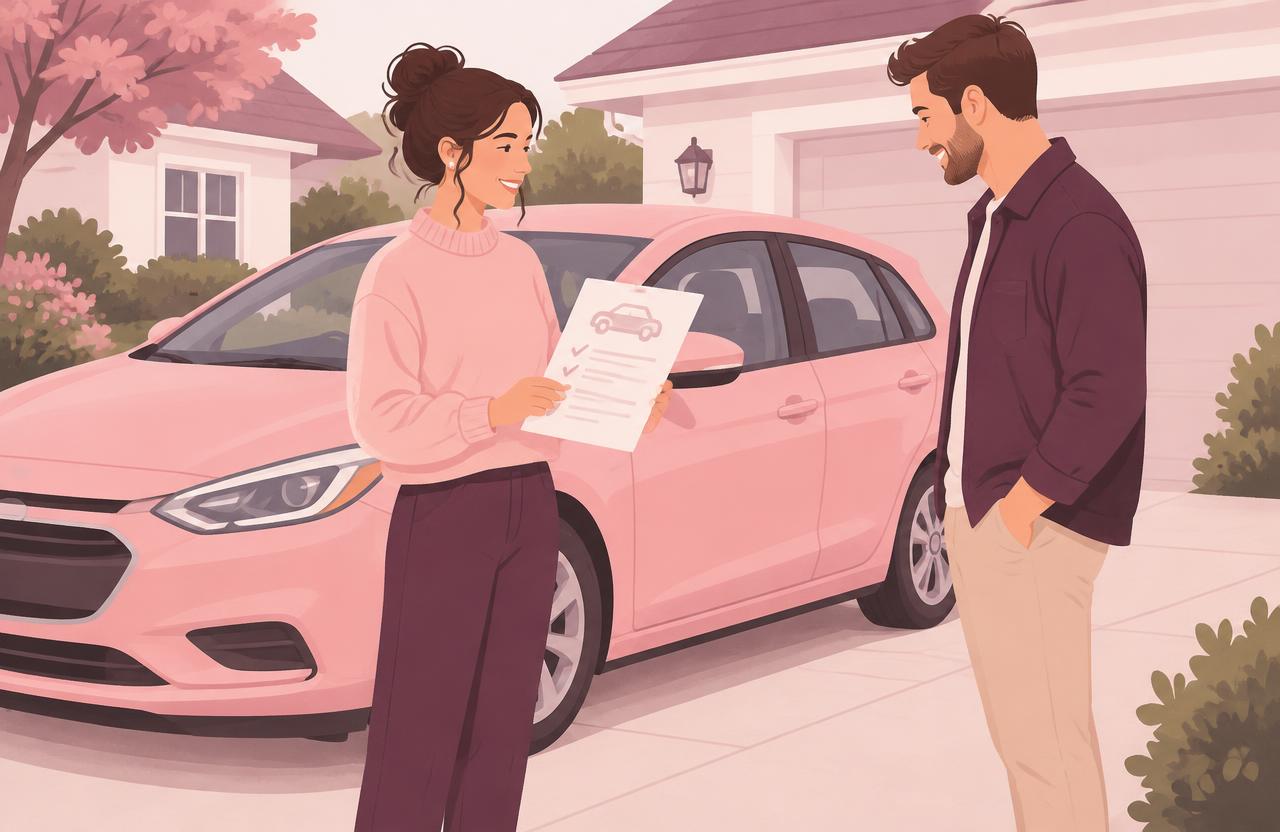
Our lender panel considers finance for cars bought from private sellers. Because there's no dealer, the lender usually checks the car's history and value and the seller's ownership directly, and then pays the seller. It can take a little longer, and private sales carry fewer legal protections, so inspect the car carefully.
Worth exploring if
- Buyers who've found a car privately
- Anyone wanting more choice than dealers offer
- Buyers comfortable doing their own checks
What may suit you
- Wider choice of cars
- The lender usually pays the seller directly
- History checks protect you from hidden finance
Things to consider
- Fewer legal protections than a dealer sale
- Extra checks can add time
- Approval is never guaranteed
How private-sale car finance works
Check the car
History check, MOT history and the V5C logbook.
Agree the sale subject to finance
Don't pay anything until the lender confirms.
Make one CarFinanceMatch enquiry
Our lender panel considers your situation; any offer comes from the lender.
Illustrative numbers
How term and deposit change the cost of Private-sale car finance
- 24 months£332/month · £8,774 total
- 36 months£232/month · £9,164 total
- 48 months£183/month · £9,565 total
- 60 months£153/month · £9,979 total
Illustrative arithmetic for a £8,000 example car using an assumed 10% APR chosen only to show the maths. It is not a rate we can offer and not a quote; your figures depend on the lender, the car and your circumstances. Assumes a £800 deposit.
- No deposit£203/month · £9,739 total
- £800 deposit£183/month · £9,565 total
- £1,600 deposit£162/month · £9,391 total
Illustrative arithmetic for a £8,000 example car using an assumed 10% APR chosen only to show the maths. It is not a rate we can offer and not a quote; your figures depend on the lender, the car and your circumstances. Assumes a 48-month term.
- 01
Compare the route
HP, PCP or leasing, judged on the total amount payable.
- 02
Check the car
MOT history, tax and vehicle details on GOV.UK.
- 03
Lender checks
Identity, credit file and affordability. The lender decides.
- 04
Read, then sign
You normally have 14 days to withdraw from a regulated agreement.
In short
You can sometimes use finance to buy a car from a private seller. Our lender panel considers private-sale purchases. Lenders usually need extra checks on the car and seller, so it can take a little longer than a dealer sale. Your legal protections are also different. The lender decides.
- Checks
- Lenders usually verify the car's history, value and the seller's ownership.
- Outstanding finance
- A history check shows whether the car still has finance on it.
- Your rights
- Private sales have fewer legal protections than dealer sales.
- Payment
- Lenders often pay the seller directly.
- Approval
- Never guaranteed.
01
How private-sale car finance works
With a dealer sale, the dealer handles much of the paperwork with the lender. In a private sale, the lender needs to confirm details directly: that the car exists, is worth the price, is owned by the seller and has no outstanding finance. Once satisfied, the lender usually pays the seller.
02
Checks to do before you agree a price
- **Vehicle history check** for outstanding finance, write-offs and theft
- **MOT history** on GOV.UK, free and instant
- **V5C logbook** matches the seller's name and address
- **VIN and engine numbers** match the logbook
- **Service records** and receipts
03
Your rights in a private sale
When you buy from a dealer, the Consumer Rights Act 2015 gives you rights if the car isn't of satisfactory quality. In a private sale, the car must be as described and the seller must have the right to sell it, but there's no requirement for satisfactory quality. That makes a thorough inspection more important.
| Dealer | Private seller | |
|---|---|---|
| Satisfactory quality | Yes | No |
| As described | Yes | Yes |
| Right to sell | Yes | Yes |
| Paperwork handled | Mostly by dealer | More falls to you and the lender |
04
Timing and practicalities
Because of the extra checks, a private-sale purchase can take longer than a dealer sale. Agree with the seller that the sale depends on finance being confirmed, and arrange insurance before you collect.
05
Spotting the warning signs
Most private sellers are genuine, but it pays to be careful. Be wary if the seller wants to meet somewhere other than the address on the logbook, pressures you to pay a deposit quickly, or the price looks far below similar cars.
- Meet at the address on the V5C
- Check the seller's ID matches the logbook
- Don't pay by bank transfer before the lender confirms
- Walk away from pressure or excuses about paperwork
- Inspect the car in daylight and take a test drive
A small amount of extra caution can save you from buying a car that isn't the seller's to sell.
06
What the lender usually needs from the seller
Because the lender pays the seller directly, it will usually need some details from them: their name and address matching the logbook, bank details for payment, and sometimes confirmation of the car's mileage and condition. Let the seller know this in advance, so they're not surprised by a call or a form.
If the car has outstanding finance, the seller's lender will need to be paid off first. A history check shows this, and the seller can ask their lender for a settlement figure. Don't proceed until it's clear how and when that balance will be cleared.
07
Understanding the cost: APR and total amount payable
Every finance quote should show an APR and a total amount payable. The APR is the yearly cost of borrowing, including interest and compulsory fees, so it's the fairest way to compare one quote with another. The total amount payable shows what you'll have paid by the end, including the deposit. Two quotes with the same monthly payment can have very different totals if the terms or rates differ.
A longer term lowers the monthly payment but usually increases the total you pay, because interest builds up for longer. A shorter term costs more each month but less overall. The chart on this page uses an assumed rate purely to show that relationship; it isn't a rate available to you, and your own figures will come from the lender.
Ask for the pre-contract credit information before you sign. It sets out the key figures in a standard format, which makes comparing quotes much easier.
08
Soft searches, hard searches and your credit file
A soft search lets someone look at parts of your credit file without other lenders seeing it, so it doesn't affect your credit score. A hard search happens when you make a full credit application and is visible to other lenders. Several hard searches in a short time can make lenders more cautious, because it can look like you're relying on credit.
That's why it helps to understand your options before applying in full, and to avoid sending applications to lots of lenders at once. Check which kind of search will be used at each stage; if you're unsure, ask before you agree to anything.
09
If things change after you sign
Circumstances change. If you're worried about keeping up with payments, contact your lender as early as possible. Lenders are expected to treat customers in financial difficulty fairly, and options such as a temporary payment arrangement may be available. Ignoring the problem usually makes it harder to fix.
- Contact the lender before you miss a payment if you can
- Ask what support options are available
- Get free, impartial debt advice from MoneyHelper or a debt charity
- Keep records of every conversation and letter
If you think your finance was mis-sold or you've been treated unfairly, complain to the lender or broker first. If you're unhappy with the final response, or don't get one within eight weeks, you can usually take the complaint to the Financial Ombudsman Service, which is free to use.
10
How CarFinanceMatch fits in
CarFinanceMatch is a credit broker. We introduce you to lenders on our panel who consider your situation; we don't lend money ourselves and we can't decide whether you'll be approved. When we talk about a 'match', we mean pointing your enquiry towards lenders whose criteria may fit, not a promise of finance.
Brokers may receive a commission from lenders when an agreement goes ahead. You're entitled to ask how we're paid and whether that could affect the options you're shown. Read the full agreement, ask any questions, and only sign when you're comfortable.
Common mistakes to avoid
Skipping the history check
Always check for outstanding finance and write-offs.
Paying the seller before finance is confirmed
Wait for the lender to confirm and pay.
Comparing only the monthly payment
Compare the total amount payable and the APR on every quote, not just the monthly figure.
Making several full applications at once
Make one enquiry and let the options be compared before any full credit application.
Sources and review
- GOV.UK — Check the MOT history of a vehicle
- GOV.UK — Buying a used vehicle
- legislation.gov.uk — Consumer Rights Act 2015
- MoneyHelper — Car finance explained
Editorial review date: 6 October 2026. Figures on this page are illustrative and are not a personalised quote.
Private-sale car finance FAQs
Ready to find a finance route that fits?
Start with your plans and speak to a real person before deciding what comes next.
Real people available to help.